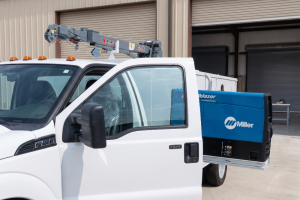
 A proper mobile welding truck setup gives you the know-how to transport equipment to job sites, eliminating downtime and expanding your service capabilities. The must-haves for your truck include a welder, a generator, and an air compressor, as well as all accessories like welding leads and gas cylinders you’ll need. Your mobile welding truck and welder/generator represent two of the largest investments you’ll make in your business, which is why getting the setup right from the start matters. A well-equipped mobile welding rig can handle stick, MIG, and TIG welding in demanding environments. This piece walks you through the simple aspects of mobile welder truck configuration, equipment selection that matters, and strategies to optimize your welding truck operations.
Understanding Mobile Welding Truck Setup Basics
Mobile welding takes the technical work of welding from a fixed workshop to wherever repairs or fabrication are needed. As a mobile welder, you’re not tied to a central location. You travel to worksites with equipment capable of handling a range of projects, from heavy equipment repair to structural work. This flexibility means you can service farmers, construction sites, mining operations and trucking companies without requiring them to transport machinery to your shop.
Selecting the right vehicle is the foundation of your mobile welding rig. Heavy-duty pickup trucks like the Ford F-250/F-350, Chevy Silverado 2500/3500, or Ram 2500/3500 provide the durability and capacity needed. These trucks offer payload capacities ranging from 3,000 to over 7,000 pounds, which handles the weight of welding machines, generators and toolboxes. An 8-foot bed provides sufficient surface area for large equipment.
The powertrain matters. Diesel engines deliver superior torque and fuel efficiency when hauling heavy loads, though gasoline engines offer lower upfront costs. Mobile welding rigs can weigh 15,000 to 17,000 pounds when loaded fully.
Think over the types of work you’ll perform when planning your welding truck setup. The wider the range of jobs, the more versatility you need from your equipment. Start by understanding your business goals and size your purchases so.
Essential Equipment and Tools for Your Welding Truck Setup
Your mobile welding rig requires a reliable power source at its core. Engine-driven welders combine a welding power source with a generator and run on gasoline, diesel, or propane. These machines support Stick welding, with many offering MIG, TIG, and Flux-Cored capabilities through multi-process configurations. Popular models from Miller, Lincoln, Hobart, and ESAB have the Bobcat, Trailblazer, Ranger, and Champion series. Some units feature built-in air compressors that power pneumatic tools and plasma cutters.
You need gas cylinders for shielding gas in MIG and TIG welding, plus oxy-fuel cutting operations, beyond the welder itself. Secure these with cylinder racks and brackets to prevent movement while driving. Protective caps and chains ensure safety during transport.
A complete hand tool set has grinders and wire brushes for surface prep, clamps and magnets to secure workpieces, and measuring tools like tape measures and squares for precision work. Drills and impact wrenches handle fastening and hole drilling.
Storage organization affects your efficiency. Lockable toolboxes keep equipment secure, while hose and cable reels prevent tangling and speed up setup. Think over a foldable or slide-out welding table for a stable work surface. Safety gear remains essential: keep a Class D fire extinguisher for metal fires and a first aid kit on board.
Setting Up Your Mobile Welding Rig for Maximum Efficiency
Storage organization is the foundation of an efficient welding truck setup. Custom-built cabinets and drawers fit specific needs. You can construct them from aluminum or steel. Welding beds installed on the truck’s back hold equipment and include built-in toolboxes with shelves and racks. These beds come in steel or aluminum and accept customization to match your workflow.
Workspace optimization requires enough room to work comfortably with equipment arranged in a logical manner. A welding table or workbench with built-in clamps and vices provides a stable platform for precision work. A crane or hoist makes lifting heavy materials easier and prevents injury.
Welder/generators with remote solutions let you adjust parameters without walking back to the truck. This boosts productivity and operator safety. Fuel-saving technologies like Miller Auto-Speed adjust engine speed to load requirements. The result is reduced fuel costs and noise. Wire feeders deliver time savings over stick welding and cut hours or even days from large repair jobs.
Proper lighting addresses low-light conditions found under equipment. LED work lights provide clear visibility, and headlamps with adjustable brightness allow hands-free operation. Reflective tape on equipment boosts visibility in high-traffic areas. Portable fume extractors maintain clean air in enclosed spaces where natural ventilation proves insufficient.
Why You Need a Professional to Repair and Maintain Your Mounted Welding Equipment
When your mobile welding unit breaks down in the middle of a critical project, every minute counts. The financial impact can be devastating—even a single hour of downtime can cost thousands of dollars in lost production. Yet many welding operations still treat equipment maintenance as an afterthought, waiting until problems become emergencies before taking action.
The Safety Imperative: Why Lives Depend on Professional Service
Welding equipment operates under extreme conditions involving high heat, electricity, pressurized gas systems, and complex electrical components. This combination creates inherent risks that require expert knowledge to manage safely. Professional welding equipment repair technicians possess the specialized training to identify dangerous issues that untrained personnel might miss entirely.
Consider the complexity of modern welding systems. Gas leaks, damaged cables, faulty regulators, and compromised insulation can all lead to catastrophic failures. A professional technician knows exactly what to look for during inspections and has the diagnostic tools to detect problems before they become hazardous. They understand how electrical faults can cause fires or explosions, and they know how to properly test and repair these systems to prevent accidents.
The safety protocols required for welding equipment maintenance are extensive. All maintenance activities require appropriate personal protective equipment (PPE) to safeguard against injuries. Professional technicians follow lockout/tagout procedures to prevent accidental equipment start-up during maintenance, and they always disconnect power sources before performing any work. These aren’t just best practices—they’re life-saving procedures that require proper training and experience to execute correctly.
Meeting OSHA Welding Compliance Standards and Legal Requirements
Regulatory compliance isn’t optional in the welding industry. Professional technicians understand OSHA, ANSI, and manufacturer requirements that govern welding equipment operation and maintenance. They ensure your equipment meets all safety standards, which helps you pass inspections and avoid costly fines, operational shutdowns, or legal liability if accidents occur.
The regulatory landscape is becoming increasingly stringent. Compliance with regulations such as those set by OSHA is pushing manufacturers to adopt advanced welding technologies that incorporate safety features. This trend toward more sophisticated equipment means that maintenance requirements are also becoming more complex, making professional service even more critical.
When equipment fails to meet regulatory standards, the consequences extend far beyond immediate repair costs. Fines, work stoppages, and potential liability in case of accidents can devastate a business. Professional maintenance ensures that your equipment not only functions properly but also meets all applicable safety and regulatory requirements.
The Financial Case: Reducing Welding Equipment Downtime and Costs
The economics of professional maintenance are compelling. Companies that adhere to scheduled maintenance protocols experience up to 30% less downtime compared to those that neglect their equipment. This reduction translates directly into increased production capacity, more reliable project timelines, and improved customer satisfaction.
Perhaps even more striking is the cost differential between planned and unplanned maintenance. Unscheduled repairs can be two to three times more expensive than planned service. This dramatic difference occurs because emergency repairs often require expedited parts, overtime labor, and rushed scheduling—all of which carry premium costs.
Professional welding equipment repair addresses root causes rather than just symptoms. Trained technicians can identify the underlying issues that cause equipment failures, preventing the repeated breakdowns and costly trial-and-error part replacements that characterize amateur repair attempts. They use proper diagnostic tools including meters, load banks, and calibration equipment, and they follow factory procedures that ensure repairs are done correctly the first time.
Protecting Your Welding Equipment Warranty and Investment
Mobile welders, generators, and accessories represent significant capital investments. Regular professional maintenance extends equipment life and protects these valuable assets. The maintenance activities that professionals perform—including filter changes, brush replacement, calibration adjustments, connection tightening, and proper lubrication—all contribute to longer equipment lifespan and better performance.
Protecting your welding equipment warranty requires adherence to manufacturer specifications. Warranty coverage is void if equipment is subjected to unauthorized repairs or modifications. Many manufacturers require that repairs and certain maintenance tasks be performed by certified technicians to maintain warranty protection. DIY repairs or work by unqualified personnel can void your warranty entirely, leaving you responsible for the full cost of major failures.
Professional service centers use OEM or approved parts that fit and perform correctly. They stay current with recalls, service bulletins, software and firmware updates, and design improvements that individual operators might miss. This access to genuine parts and technical updates ensures that your equipment continues to operate at peak performance and maintains its warranty protection.
Ensuring Consistent Weld Quality Through Professional Welding Machine Calibration
Poorly maintained equipment produces poor results. When welding machines aren’t properly maintained, they develop problems like unstable arcs, inconsistent heat output, porosity, and failed welds. These quality issues lead to rework, scrap material, and unhappy customers—all of which directly impact profitability.
Professional welding machine calibration ensures that equipment performs as designed. Technicians can calibrate output settings, verify duty cycles, test leads and connections, and make the precise adjustments needed for consistent performance. This attention to detail results in reliable, high-quality welds that meet specifications and reduce the need for costly rework.
The calibration process involves verification of voltage and amperage settings, adjustment of wire feed speed for MIG welders, gas flow rate calibration for TIG and MIG systems, and comprehensive arc stability testing. These technical procedures require specialized knowledge and equipment that most operators don’t possess.
Operational Advantages: Focus on Your Core Business
Time spent troubleshooting and repairing equipment is time not spent on productive welding work. When you handle maintenance and repairs in-house, you’re diverting skilled welders from revenue-generating activities to equipment service tasks. Professional maintenance allows you and your crew to focus on what you do best—welding and serving customers.
Many professional service providers offer flexible scheduling that minimizes disruption to your operations. They can perform preventive maintenance during off-hours, weekends, or planned downtime periods. This scheduling flexibility ensures that maintenance activities don’t interfere with critical project deadlines or customer commitments.
Professional service also provides access to emergency repair capabilities when unexpected failures occur. Having a relationship with a qualified service provider means you can get equipment back online quickly when problems arise, minimizing the impact of unplanned downtime on your operations.
Building Long-Term Value Through Documentation and Service Records
Professional maintenance creates valuable documentation that serves multiple purposes. Service records from certified technicians demonstrate that equipment has been properly maintained, which significantly increases resale value. When it’s time to sell or trade equipment, comprehensive maintenance records make buyers more confident and willing to pay higher prices.
Documentation also supports warranty claims and provides evidence of proper care when dealing with manufacturers. Detailed maintenance records enable trend analysis and help identify recurring issues before they become major problems. This historical data becomes increasingly valuable over time, allowing for more effective maintenance planning and budgeting.
The research emphasizes that a proactive maintenance culture not only safeguards equipment investments but also supports a safer, more efficient workplace for operators and technicians. This culture is built through consistent professional service that demonstrates the value of proper equipment care.
Your mobile welding truck setup represents a major investment. Getting it right the first time saves you money and headaches down the road. The right vehicle and a reliable engine-driven welder with well-arranged storage systems will help you handle jobs in industries of all types. Focus on equipment that matches your target work and prioritize organization. Don’t skip safety essentials. A well-laid-out rig pays for itself through expanded service capabilities and reduced downtime.
We Provide Mounted Welding Equipment Service and Repairs
We know the importance of keeping your work truck available and on the job. Dupont Welder Services has a unique service for Mounted work truck welder machine repair.
> Learn More
Contact Us (859-655-9353) for a Free Quote!
—
 About Dupont Welder Services
Over the past 30 years Dupont Welder Services has assisted over 1,300 customers by servicing and repairing their welding equipment. Our expert technicians service welding machines in both gas-driven and electrical models for the industry’s leading manufacturers. We provide service and repair for owners with one machine to large manufacturing facilities with over a hundred.