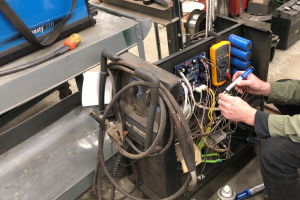
 Welding machines are indispensable tools in various industries, from construction to manufacturing. However, like any piece of equipment, they can encounter issues that hinder performance. Understanding how to troubleshoot and maintain these machines is crucial for ensuring their longevity and efficiency. This guide will provide you with essential tips and techniques for repairing and maintaining your welding machine, helping you avoid costly downtime and repairs.
Understanding Common Welding Machine Issues
Power Problems
One of the most frequent issues welders face is the machine not powering on. This can stem from several factors:
-
- Input Power Check: Ensure that the machine is plugged into a functioning outlet. Testing the outlet with another device can confirm whether it’s supplying power.
- Breaker Panel Inspection: Look for tripped breakers or blown fuses in your electrical panel.
- Power Cord and Switch Examination: Inspect the power cord for any signs of wear or damage. Additionally, ensure that the power switch is functioning correctly.
Arc Issues
If you experience a poor or nonexistent arc, consider the following:
-
- Ground Clamp Connection: Ensure the ground clamp is securely attached to clean, bare metal. Rust or paint can disrupt the arc.
- Electrode Holder and Leads: Check for any cuts, burns, or loose connections in the welding leads.
- Polarity Settings: Verify that the polarity settings match the type of electrode or wire you are using.
- Consumables: Sometimes, simply replacing the electrode or wire spool can resolve the issue.
Wire Feed Problems (MIG Welders)
MIG welders can encounter wire feed issues, which can be frustrating. Here’s how to troubleshoot:
-
- Wire Spool and Drive Rollers: Ensure that the wire spool spins freely and is not jammed. Inspect the drive rollers for wear or buildup.
- Liner and Tip Inspection: A dirty liner or worn contact tip can cause feed problems. Clean or replace these components as necessary.
- Tension Adjustment: The wire feed tension should be firm but not overly tight. Adjust it accordingly.
Preventive Maintenance Strategies
Regular Inspections
Conducting regular inspections is vital for maintaining your welding machine. Here are some key components to check:
-
- Cables and Connections: Inspect all cables for cuts, frayed wires, and loose connections. Ensure that all electrical connections are secure.
- Cooling System: Check the coolant levels and ensure that the cooling system is functioning properly. Overheating can lead to significant damage.
- Consumables: Regularly replace worn consumables, such as nozzles and tips, to maintain optimal performance.
Cleaning Procedures
Keeping your welding machine clean is essential for its longevity. Dust and debris can accumulate, leading to overheating and electrical faults. Here’s how to clean your machine effectively:
-
- External Cleaning: Use a soft brush or compressed air to remove dust from vents and fans.
- Internal Cleaning: Periodically open the machine (following safety protocols) to clean internal components. Ensure that all parts are free from debris.
Documentation and Logging
Maintaining a log of your machine’s performance and any issues encountered can be invaluable. This documentation can help identify patterns and prevent future problems. Include:
-
- Maintenance Activities: Record all maintenance tasks performed, including dates and observations.
- Issues Encountered: Note any problems and the steps taken to resolve them. This can help in diagnosing recurring issues.
Advanced Troubleshooting Techniques
Overheating and Thermal Shutdown
Overheating is a common issue that can lead to thermal shutdown. To prevent this:
-
- Duty Cycle Awareness: Familiarize yourself with your machine’s duty cycle. Exceeding it can trigger shutdowns.
- Airflow Checks: Ensure that vents and cooling fans are clean and unobstructed. Blocked airflow can lead to overheating.
- Ambient Temperature Considerations: High temperatures in your workspace can affect performance. Allow the machine to cool down between uses.
Irregular Arc and Sputtering
If you notice an irregular arc or sputtering during welding, consider the following:
-
- Gas Flow Issues: Check that your gas bottle is not empty and inspect hoses for leaks or blockages.
- Nozzle Condition: Clean any spatter buildup from the nozzle or replace it if it’s heavily damaged.
- Settings Verification: Ensure that voltage, amperage, and wire speed settings are appropriate for the material being welded.
When to Seek Professional Help
While many issues can be resolved through basic troubleshooting, some situations require professional intervention. Here are indicators that it’s time to call in an expert:
- Persistent Problems: If issues continue despite your troubleshooting efforts, it may indicate a deeper problem.
- Complex Repairs: For intricate repairs involving internal electrical components, professional assistance is advisable.
- Warranty Considerations: If your machine is under warranty, seeking professional help can ensure that you don’t void it.
Developing a Maintenance Schedule
Creating a structured maintenance schedule can significantly enhance the reliability of your welding machine. Here’s how to develop an effective plan:
Daily Inspections
Conduct brief daily inspections to identify potential issues before they escalate. This includes checking:
-
- Power Supply: Ensure that the machine is receiving adequate power.
- Connections: Inspect all connections for security and integrity.
Weekly and Monthly Checks
In addition to daily inspections, schedule more thorough checks on a weekly and monthly basis. These should include:
-
- Component Testing: Test major components for functionality.
- Cooling System Maintenance: Check coolant levels and inspect for leaks.
Collaborate with Service Providers
Engaging with your equipment manufacturer or service provider can help you design a maintenance schedule tailored to your specific needs. They can provide insights into:
-
- Best Practices: Learn about optimal maintenance practices for your specific machine model.
- Remote Support: Many manufacturers offer remote assistance for minor repairs, helping you avoid extended downtime.
Maintaining and repairing your welding machine is essential for ensuring its longevity and performance. By understanding common issues, implementing preventive maintenance strategies, and developing a structured maintenance schedule, you can keep your equipment running smoothly. Remember, while many problems can be resolved through basic troubleshooting, don’t hesitate to seek professional help when necessary. With the right approach, you can minimize downtime and maximize productivity in your welding operations.
We Provide Service and Repairs to Welding Equipment
Our technicians are the key to Dupont Welder Service’s quality service and repairs. Each technician is factory certified and spends time throughout the year in continuous education programs to ensure the latest knowledge on welding equipment.
> Learn More
Contact Us (859-655-9353) for a Free Quote!
—
 About Dupont Welder Services
Over the past 30 years Dupont Welder Services has assisted over 1,300 customers by servicing and repairing their welding equipment. Our expert technicians service welding machines in both gas-driven and electrical models for the industry’s leading manufacturers. We provide service and repair for owners with one machine to large manufacturing facilities with over a hundred.