 Welding machines are essential tools in various industries, enabling the permanent joining of metal pieces through the application of heat. These machines come in diverse types and sizes, each designed to cater to specific welding needs. Understanding the components of a welding machine is crucial for both novice and experienced welders, as it helps in selecting the right equipment and optimizing its use. In this article, we will explore the various parts of a welding machine, their functions, and how they contribute to the welding process.
Types of Welding Machines
Welding machines can be categorized into several types based on their operational mechanisms and applications. The most common types include:
1. Arc Welding Machines
Arc welding machines utilize an electric arc to generate heat, which melts the base metal and the filler material to create a strong bond. These machines are widely used in construction and manufacturing due to their versatility and efficiency.
2. MIG Welding Machines
Metal Inert Gas (MIG) welding machines are designed to use a continuous wire feed as the electrode. They are favored for their speed and ease of use, making them ideal for both beginners and professionals.
3. TIG Welding Machines
Tungsten Inert Gas (TIG) welding machines employ a non-consumable tungsten electrode to produce the weld. This method allows for greater control and precision, making it suitable for intricate work and thin materials.
4. Stick Welding Machines
Stick welding machines, also known as Shielded Metal Arc Welding (SMAW) machines, use a consumable electrode coated in flux. This type of welding is commonly used for outdoor applications due to its ability to perform well in windy conditions.
Main Components of a Welding Machine
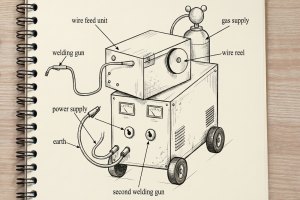
Understanding the main components of a welding machine is essential for effective operation and maintenance. Here are the key parts:
1. Power Source
The power source is the heart of any welding machine. It converts electrical energy into the necessary form for welding. There are two primary types of power sources:
-
- Transformers: These devices convert high-voltage AC power into lower-voltage DC power suitable for welding. They are commonly found in traditional arc welding machines.
- Inverters: Inverter technology allows for more efficient power conversion, resulting in a lighter and more compact machine. Inverters can produce high-frequency output, which is beneficial for various welding applications.
2. Control Panel
The control panel is where the welder can adjust settings such as voltage and amperage. It typically includes:
-
- Amperage Control: This allows the welder to set the current level, which is crucial for achieving the desired weld quality.
- Voltage Control: Adjusting the voltage helps maintain a stable arc and influences the penetration of the weld.
3. Electrode Holder
The electrode holder is a critical component in stick welding machines. It securely grips the electrode and conducts the electrical current necessary for creating the arc. Proper maintenance of the electrode holder ensures consistent performance.
4. Ground Clamp
The ground clamp connects the welding machine to the workpiece, completing the electrical circuit. A secure connection is vital for safety and effective welding. Poor grounding can lead to inconsistent welds and increased risk of electrical hazards.
5. Welding Cables
Welding cables are responsible for carrying the electrical current from the power source to the electrode holder and ground clamp. These cables must be durable and flexible to withstand the rigors of welding operations.
Additional Components
In addition to the main components, several other parts enhance the functionality and safety of welding machines.
1. Cooling System
Welding generates significant heat, and a cooling system is essential to prevent overheating. This can include:
-
- Fans: Many machines are equipped with built-in fans that help dissipate heat during operation.
- Water Coolers: In high-demand applications, water-cooled systems may be used to maintain optimal operating temperatures.
2. Safety Features
Safety is paramount in welding operations. Modern welding machines often come with various safety features, including:
-
- Overload Protection: This feature prevents damage to the machine by shutting it down if it exceeds safe operating limits.
- Thermal Protection: Thermal sensors can detect overheating and automatically shut off the machine to prevent damage.
3. Wire Feed Mechanism
In MIG welding machines, the wire feed mechanism is crucial for delivering the filler material. This system typically includes:
-
- Drive Rollers: These rollers push the wire through the welding gun at a controlled speed.
- Tension Adjustment: Proper tension ensures smooth wire feeding and prevents jams.
Choosing the Right Welding Machine
Selecting the appropriate welding machine depends on several factors, including the type of welding, the materials being joined, and the specific requirements of the project. Here are some considerations:
1. Type of Welding
Different welding processes require different machines. For instance, if you are primarily working with thin materials, a TIG welder may be more suitable, while a MIG welder is ideal for thicker metals.
2. Power Requirements
Consider the power supply available at your worksite. Some machines operate on standard household current, while others may require three-phase power. Ensure that the machine you choose is compatible with your power source.
3. Portability
If you need to move your welding machine frequently, consider its weight and size. Inverter machines are typically more portable than traditional transformer-based models.
Maintenance of Welding Machines
Regular maintenance is essential to ensure the longevity and efficiency of welding machines. Here are some key maintenance practices:
1. Cleaning
Keep the machine clean by removing dust and debris from the exterior and interior components. Regularly check and clean the welding cables and connections to prevent corrosion.
2. Inspection
Conduct routine inspections of all components, including the power source, control panel, and safety features. Look for signs of wear or damage and address any issues promptly.
3. Calibration
Periodically calibrate the machine to ensure accurate settings for voltage and amperage. This helps maintain consistent weld quality and prevents defects.
Troubleshooting Common Issues
Even with proper maintenance, welding machines may encounter issues. Here are some common problems and their solutions:
1. Inconsistent Arc
If the arc is unstable, check the ground connection and ensure it is secure. Inspect the electrode holder and cables for damage or wear.
2. Overheating
If the machine overheats, allow it to cool down and check the cooling system for proper operation. Ensure that the machine is not being overloaded beyond its capacity.
3. Wire Feed Problems
For MIG welders, if the wire feed is inconsistent, check the drive rollers for proper tension and inspect the wire for kinks or tangles.
Understanding the various components of a welding machine is crucial for effective operation and maintenance. By familiarizing yourself with the types of machines, their parts, and how they function, you can make informed decisions when selecting equipment and troubleshooting issues. Regular maintenance and proper usage will ensure that your welding machine performs optimally, providing high-quality welds for your projects. Whether you are a novice or an experienced welder, knowledge of these components will enhance your welding experience and contribute to successful outcomes.
We Provide Welding Equipment Parts That Can Be Shipped Directly to You
If you perform some self-maintenance, take advantage of our Direct to Ship program. We will arrange for parts to be shipped directly to you from our quality OEM partners.
> Learn More
Contact Us (859-655-9353) for a Free Quote!
—
 About Dupont Welder Services
Over the past 30 years Dupont Welder Services has assisted over 1,300 customers by servicing and repairing their welding equipment. Our expert technicians service welding machines in both gas-driven and electrical models for the industry’s leading manufacturers. We provide service and repair for owners with one machine to large manufacturing facilities with over a hundred.